 HoardIQ
How to Maximize Storage Space in Your Home (Without Buying More Furniture)
The Paradox of Half-Empty Homes
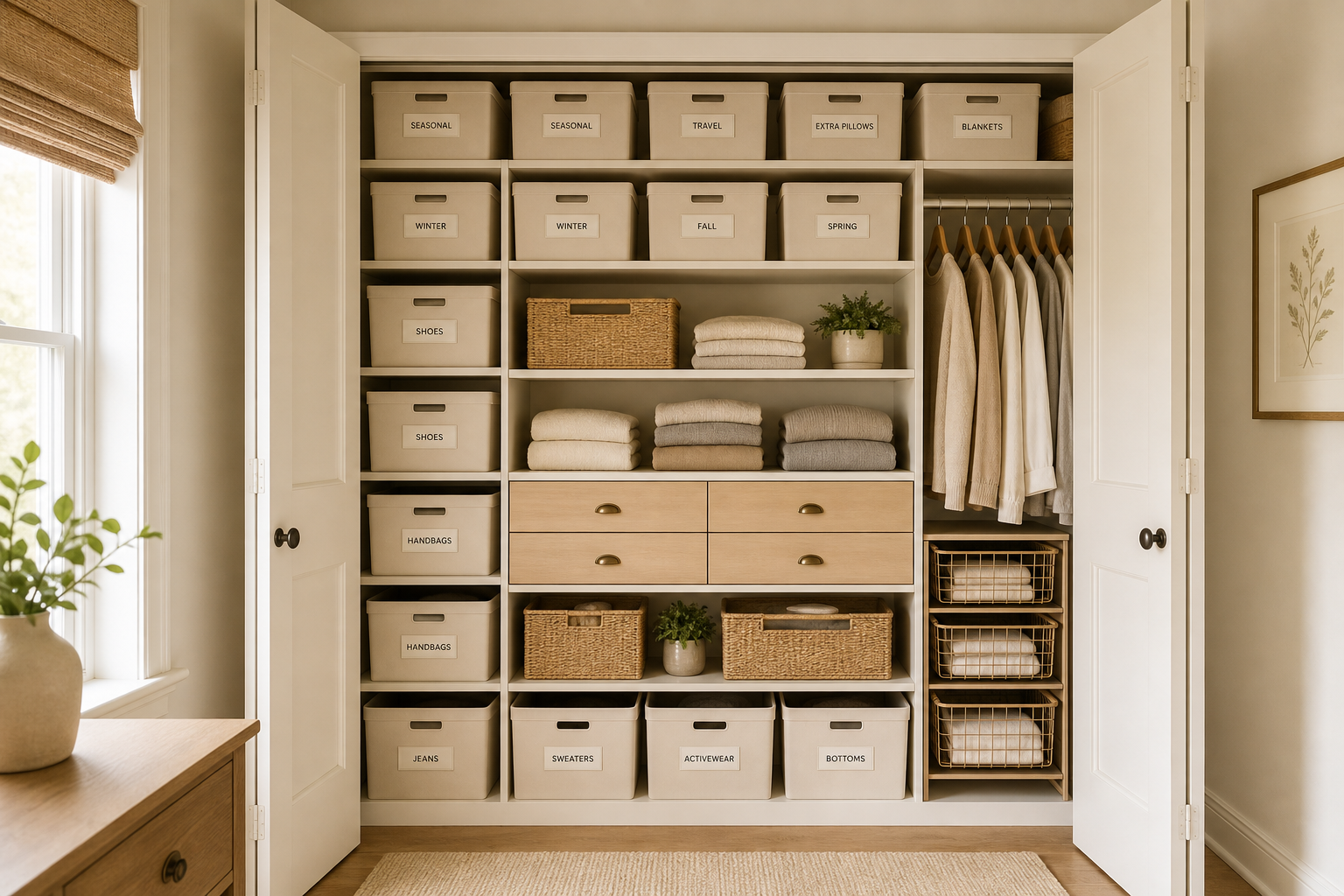
Open any closet, drawer, or cabinet in the average home and you will find something surprising: it is not full. Despite complaints about lack of space, most households use only 40–50% of their available storage capacity.
This is not because people are minimalists. It is because of a psychological barrier that has nothing to do with physical space and everything to do with confidence.
The barrier is simple: people leave storage half-empty because they are afraid they will not find things if they put more away.
Why People Avoid Using Their Full Storage
Fear of Losing Track
The most common reason for underused storage is the anxiety of not knowing where things are. Consider this scenario:
You have a drawer with some old cables, a few batteries, and a charger you vaguely remember owning. You need to store a new phone case in that drawer. But you hesitate — the drawer is already a mystery. Adding to it means the mystery deepens.
So you leave the phone case on the counter. The drawer stays half-empty. The counter gets cluttered.
This pattern repeats across every storage space in the home:
- The linen closet has one shelf of towels and three empty shelves — but you are not sure what is on the shelves, so you add new towels to the pile on the bedroom floor
- The garage has two empty shelves — but they might hold something important, so you stack boxes in front of them
- The kitchen cabinets have gaps — but you cannot remember what fits where, so new items go on the counter
The "slack space" in storage is not organization — it is anxiety management.
Out of Sight, Out of Mind
The second barrier is cognitive. Once an item is stored away — in a closet, a drawer, a bin — it effectively disappears from your mental inventory. This leads to:
- Duplicate purchases: Buying a second drill because you forgot you already own one
- Abandoned items: Never using the good knife set because you forgot it exists
- Wasted money: Replacing items that are perfectly fine but invisible
Studies in consumer behavior consistently show that people underestimate their own possessions by 30–50%. You own more than you think, and you own more duplicates than you realize.
The Solution: Know What You Have
Both barriers — fear of losing track and out-of-sight amnesia — have the same solution: make your stored items visible through a searchable inventory.
When every item is photographed, named, and located in a structured system:
- "Will I find it if I put it away?" → Yes, search takes 3 seconds
- "Will I forget I own this?" → No, your inventory shows it
- "Do I already own one of these?" → Check before you buy
This is not theoretical. Households that implement a structured inventory report being able to use 80–90% of their storage capacity — effectively gaining a room's worth of usable space without buying furniture or moving to a larger home.
Practical Strategies for Each Storage Area
Closets
Current state for most homes: 40% used, disorganized, items at the back are forgotten.
Strategy:
- Divide the closet into zones (hanging, shelves, floor, door)
- Create sections within each zone (top shelf = seasonal, middle = daily, bottom = rarely used)
- Inventory every section so you know exactly what lives where
- When you add an item, assign it to a section and record it
Result: You can store more because you trust the system. The back of the closet is no longer a black hole.
Kitchen Cabinets
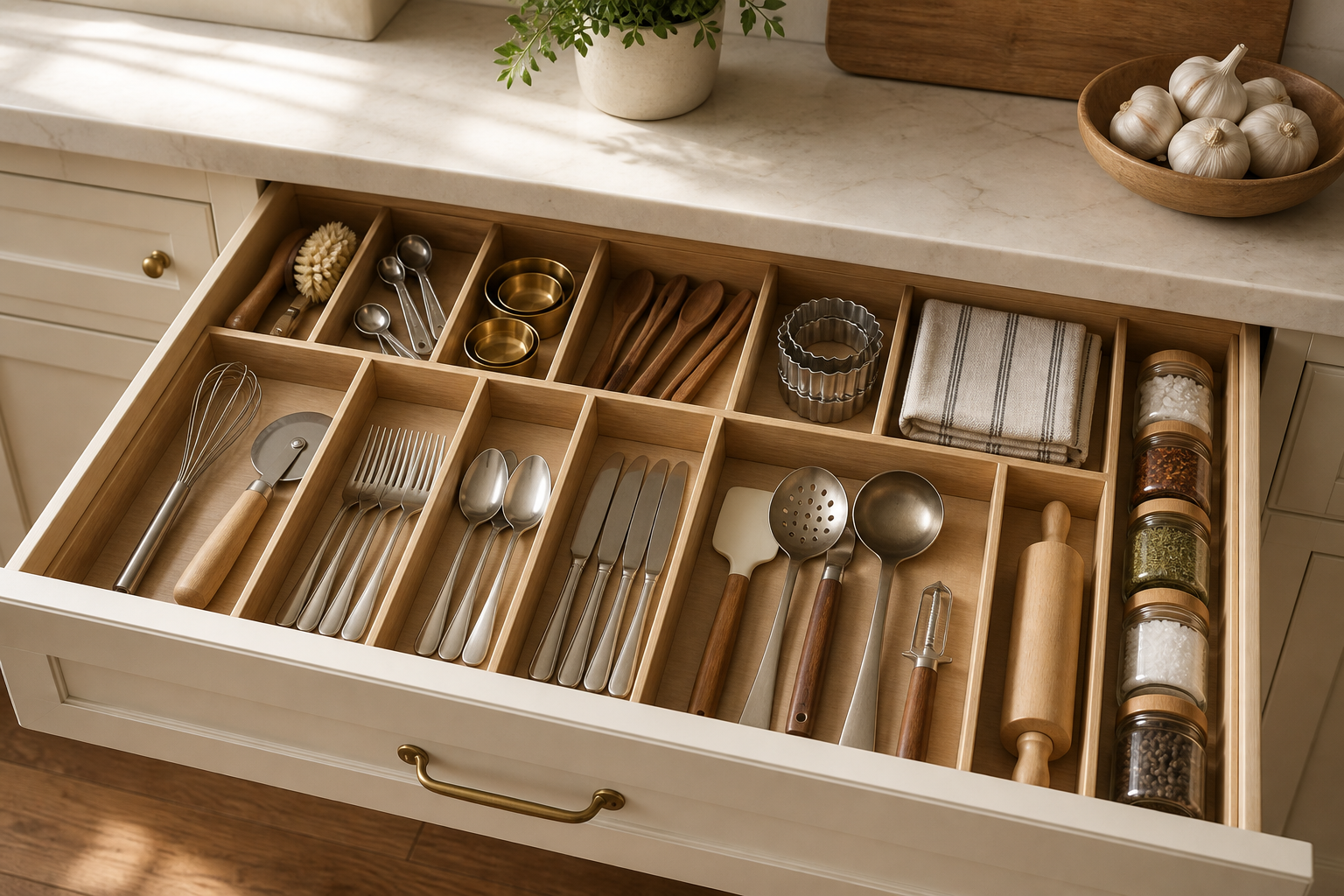
Current state for most homes: Duplicates of utensils, forgotten gadgets, expired ingredients, gaps mixed with overcrowding.
Strategy:
- Group by function (cooking tools, baking supplies, cleaning, overflow)
- Use sections within cabinets (top shelf, middle shelf, door rack)
- Track what you have before buying more — check your inventory before the store trip
- Remove duplicates once you see them listed together
Result: Fewer impulse purchases, better use of cabinet space, faster cooking prep.
Garage and Shed
Current state for most homes: Boxes stacked without labels, tools scattered, seasonal items buried.
Strategy:
- Create a zone map (tools area, sports equipment, seasonal, automotive, garden)
- Use shelving units as "storage units" in your inventory
- Photograph items as you organize — the photo IS the label
- Search before you buy new tools or supplies
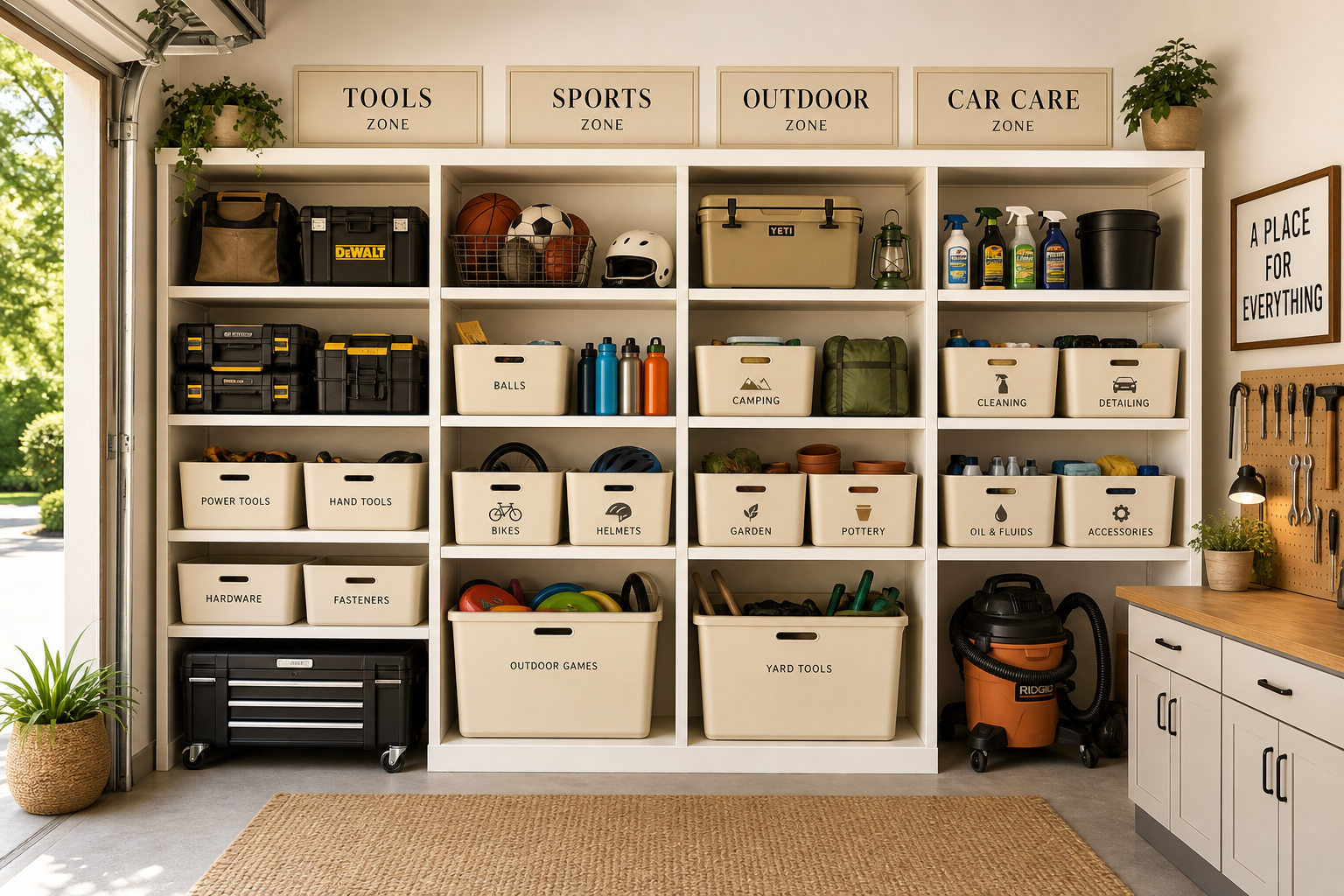
Result: The garage becomes functional storage instead of a dumping ground.
Storage Units and Attics
Current state for most homes: "I think it is up there somewhere."
Strategy:
- Create a digital map of what lives where
- Use clear bins and photograph the contents
- Record bin locations in your inventory
- Review seasonally — rotate seasonal items to accessible locations
Result: You stop paying for storage items you have forgotten about and start actually using what you stored.
The Before and After
| Metric | Before Inventory | After Inventory |
|---|---|---|
| Storage utilization | 40–50% | 80–90% |
| Time to find any item | 5–15 minutes | Under 5 seconds |
| Duplicate purchases per year | $200–$400 | Near zero |
| Items forgotten in storage | 30–50% | Under 5% |
| Anxiety about storing new items | High | Eliminated |
The Space You Already Have
Most families do not need a bigger home. They need to use the home they already have. A home with 2,000 square feet and 40% storage utilization is functionally equivalent to a 1,000 square foot home at full capacity.
The solution is not more shelves, more bins, or more furniture. It is confidence — the confidence that comes from knowing exactly what you own and where every single item lives.
When you eliminate the fear of losing things, you use every shelf. When you can search your inventory, you stop buying duplicates. When you can see your possessions clearly, you make better decisions about what to keep and what to let go.
Your home is already big enough. You just need to see it clearly.
HoardIQ gives you a searchable, photo-backed inventory of everything in your home. Know what you own, find it in seconds, and finally use every inch of your storage space. Get started.
Ready to organize your home?