 HoardIQ
Your First 10 Items: A Simple Home Inventory Starter Plan
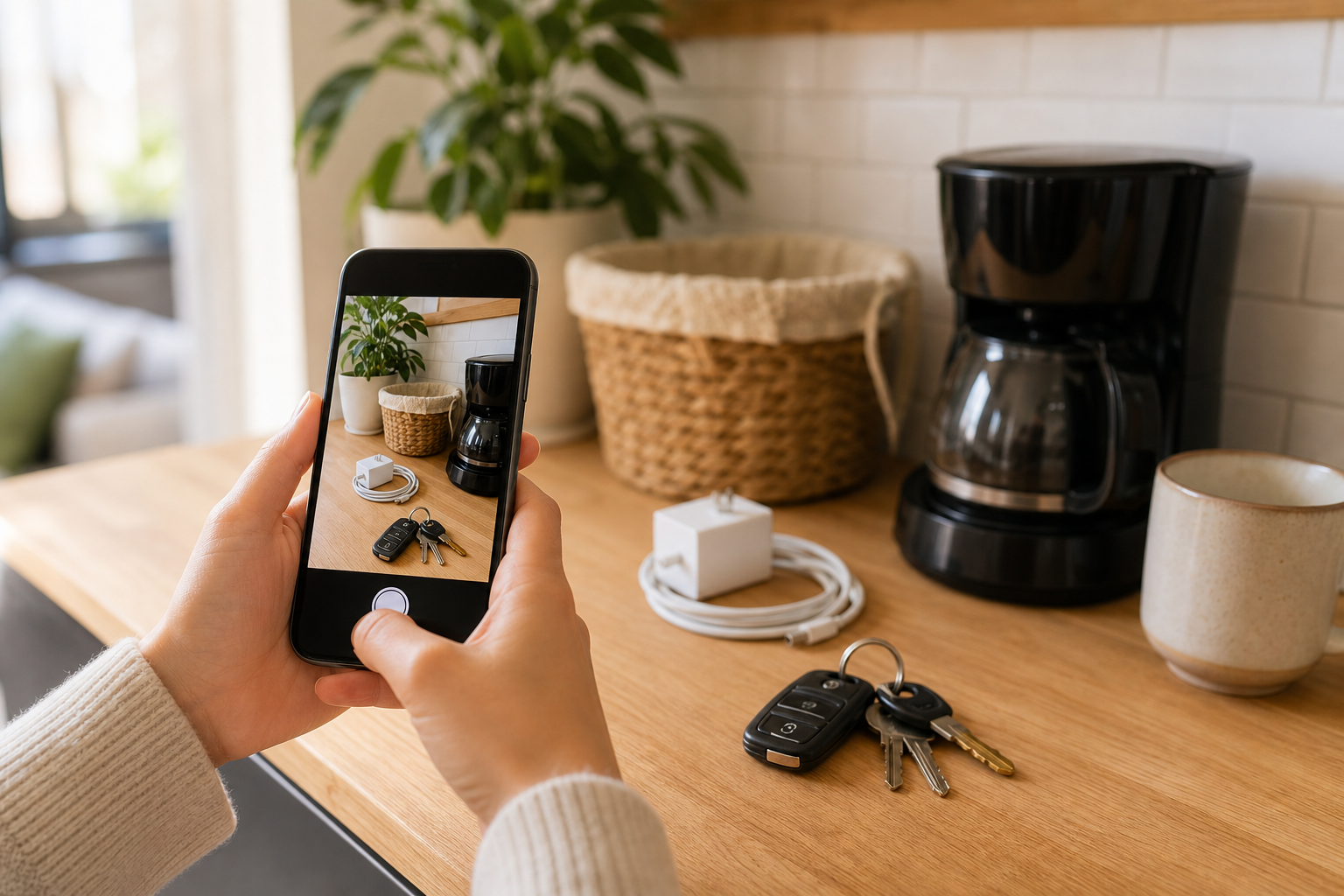
Why 10 Items Beats "Catalog Everything"
The biggest mistake people make with home inventories is trying to do too much on day one. They open an app, stare at hundreds of rooms and drawers, and quit before photographing a single item.
Ten items is different. Ten items takes 15 minutes. Ten items proves the system works. And ten items covers the belongings you interact with daily, the high-value items insurance cares about, and the things you are always searching for.
This is not a shortcut — it is a strategy. Momentum matters more than completeness at the start. Once you have 10 items cataloged and searchable, adding the next 10 feels easy. Within a month, you will have 50+ items and a habit that sticks.
The Starter List: What to Catalog First
These 10 items are deliberately chosen to cover different categories, locations, and value levels. Each one teaches you something about how inventorying works.
| # | Item | Why it matters | Location hint |
|---|---|---|---|
| 1 | Phone + charger | Daily essential; proves the capture workflow | Nightstand or desk |
| 2 | Laptop or tablet | High value; has a serial number | Home office or living room |
| 3 | Passport or ID folder | Critical document; hard to replace | Safe, drawer, or filing cabinet |
| 4 | Daily medications | Health essential; insurance-relevant | Bathroom cabinet |
| 5 | House/car keys | Always misplaced; perfect search test | Entryway hook or bowl |
| 6 | One major appliance | High claim value (TV, vacuum, coffee maker) | Kitchen or living room |
| 7 | One sentimental item | Proves inventory is not just about money | Shelf, display case, or bedroom |
| 8 | One toolbox staple | Covers garage/utility items | Garage, closet, or junk drawer |
| 9 | Winter coat or seasonal item | Shows how seasonal storage works | Closet or hall storage |
| 10 | Your "where did I put it?" item | The thing you searched for last week | Wherever it currently lives |
Item 10 is the most important. Pick the thing that made you think "I wish I knew where this was." That is exactly the problem a home inventory solves.
How to Set Up Your Home Structure
Before cataloging, spend two minutes creating a simple hierarchy. You do not need every room mapped out — just enough structure for 10 items:
Home → Room → Storage Unit → Item
Minimal setup for 10 items
- Create your home (e.g., "Main House" or your address nickname)
- Add 2–3 rooms where your 10 items live:
- Bedroom (phone, meds, coat, sentimental item)
- Living room or office (laptop, appliance, keys)
- Entryway or hallway (keys, seasonal items)
- Add one storage unit per room — a desk, a nightstand, a closet shelf, a kitchen counter
That is it. Three rooms, three storage units, ten items. The hierarchy grows naturally as you add more.
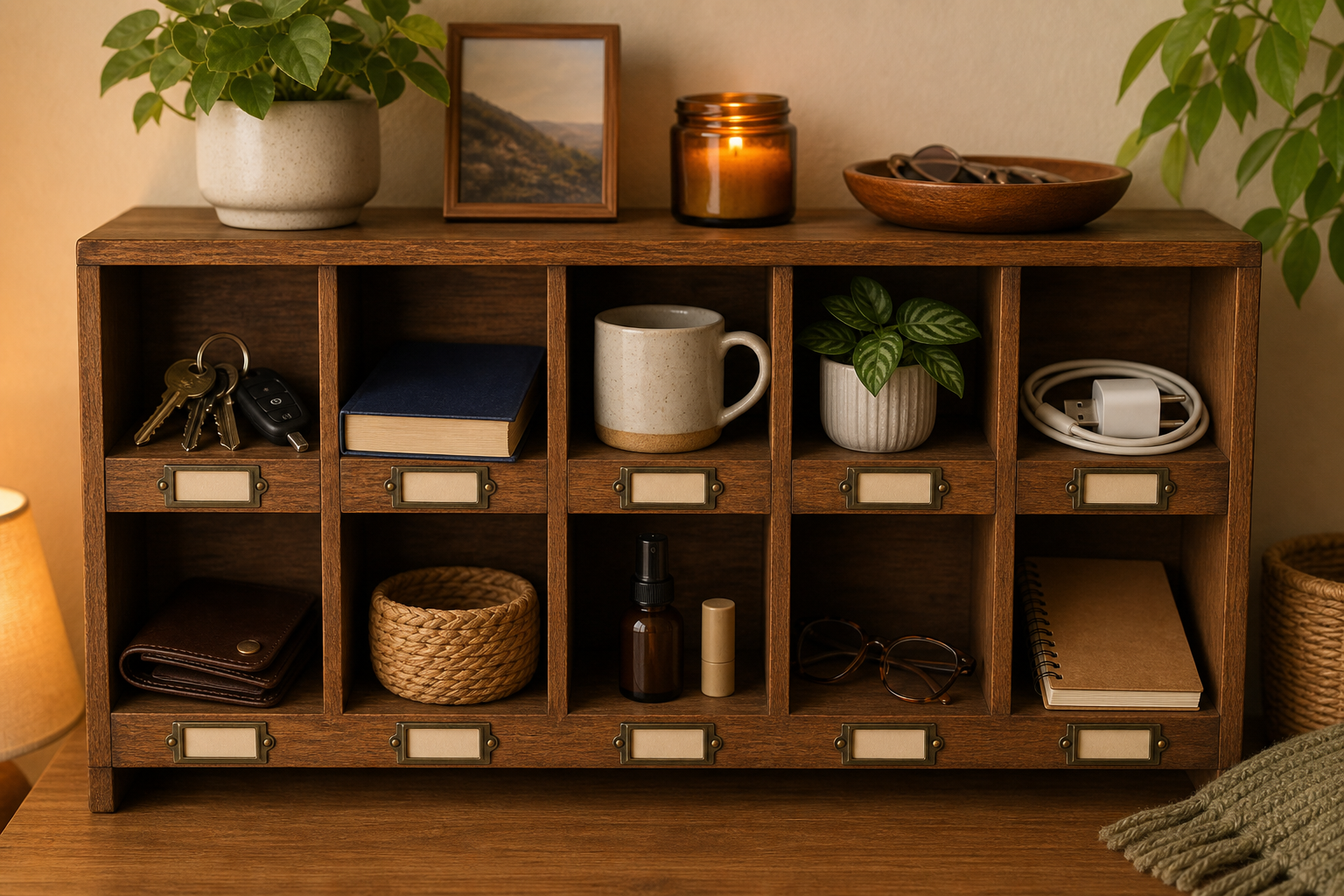
The 15-Minute Capture Session
Here is a step-by-step workflow for your first session:
Before you start (2 minutes)
- Open HoardIQ or the web app
- Create your home and 2–3 rooms
- Put your phone on the charger — you will need the camera
Capture loop (12 minutes)
For each of the 10 items:
- Photograph the item — one clear photo showing what it is
- Confirm the name — accept the AI suggestion or type your own
- Assign location — pick the room and storage unit
- Add value (optional for now) — rough estimate is fine
Aim for 60–90 seconds per item. Do not perfectionism-spiral on details — you can enrich records later.
After capture (1 minute)
- Search for one item by name — prove the system works
- Search for a room — see everything in that location
- Celebrate: you now have a searchable home inventory
What You Learn From the First 10
Each item in the starter list teaches a different inventory skill:
| Item type | Skill you practice |
|---|---|
| Phone, laptop | Photographing electronics; noting serial numbers |
| Passport, meds | Cataloging non-physical or sensitive items |
| Keys | Testing search speed for everyday items |
| Appliance | Recording high-value items for insurance |
| Sentimental item | Inventory is about peace of mind, not just money |
| Toolbox staple | Covering utility/garage categories |
| Seasonal item | Thinking about where things live when out of season |
| "Lost item" | Solving your actual daily frustration |
By item 10, you understand the full workflow: photograph, name, locate, search. Everything after this is repetition.

After the First 10: Build the Habit
Ten items is the starting line, not the finish. Here is a sustainable pace:
Week 1 — Add 3 items per day
Pick one drawer, shelf, or surface each day. Photograph everything on it. Most surfaces have 3–8 items — that is one session.
Week 2 — Complete one room
Choose the room you use most (kitchen or bedroom). Catalog every visible item. Skip the back of deep closets for now.
Week 3 — Hit 50 items
At 50 items, you have covered most daily-use belongings and the majority of insurance-relevant value. Search becomes genuinely useful for everyday questions.
Monthly — Maintenance pass
Spend 10 minutes adding anything new you bought. Update locations for items you moved. Delete items you donated or discarded.
Common First-Session Mistakes
Trying to catalog the whole house: Start with 10. The rest comes later.
Skipping location assignment: An item without a location cannot be found by room. Always assign at least a room.
Perfectionism on values: Rough estimates are fine for now. You can add exact purchase prices later when you find receipts.
Not testing search: The "aha moment" comes when you search and find something instantly. Do not skip this step.
Doing it alone on paper: Paper lists are not searchable. Use an app so the inventory earns its keep from day one.
Your Action Plan for Today
- Block 15 minutes on your calendar
- Gather the 10 items (or go to where they live)
- Set up home + 2–3 rooms in HoardIQ
- Photograph and catalog each item
- Search for your "lost item" — feel the difference
That is the entire plan. No marathon organizing session. No buying bins or labels. Just 10 items, photographed and searchable, in the time it takes to drink a coffee.
The households that succeed with home inventories are not the ones that catalog everything in a weekend. They are the ones that start with 10 items and never stop adding.
HoardIQ makes your first 10 items effortless — AI identifies what you photograph, and search finds anything in seconds. Start with 10 items today.
Ready to organize your home?